

Meet the Scrub Tech Behind Every Successful Surgery
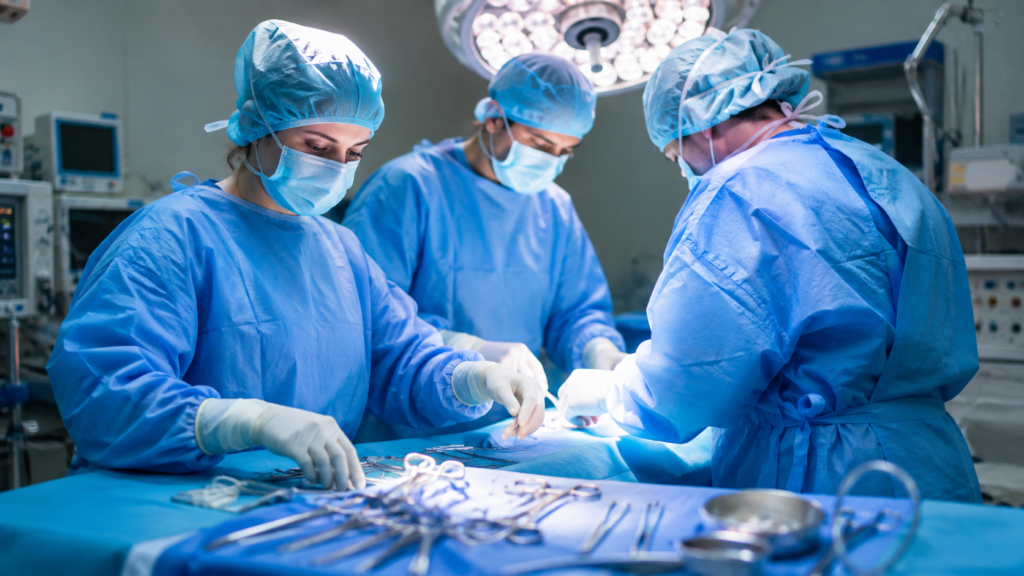
Step into any operating room moments before a procedure begins, and you’ll find one professional quietly orchestrating order out of controlled chaos. Trays of instruments are arranged with precision, the sterile field is locked in place, and every tool a surgeon might need is already within reach. This is the work of a scrub tech, and though the role rarely draws attention, it’s impossible to run a safe surgery without one.
Formally known as a surgical technologist, this trained allied health professional is responsible for preparing, maintaining, and managing sterile conditions throughout an operation. The title overlaps with “surgical tech” and “operating room technician,” all of which refer to the same career path. Understanding this terminology up front helps job seekers avoid confusion when browsing postings, since employers use these terms interchangeably across the healthcare industry.
Understanding the Role in Modern Healthcare
At its core, this professional works hand in hand with surgeons, anesthesiologists, and nursing staff to keep every operation running smoothly. Their responsibilities centre on managing instruments, monitoring sterility standards, and responding instantly to a surgeon’s requests, often anticipating needs before they’re even voiced. This split-second readiness is what makes experienced surgical technologists so valuable in fast-paced surgical environments.
Demand for this role extends well beyond traditional hospital settings. Outpatient surgical centres, dental surgery offices, and speciality clinics increasingly rely on trained professionals as surgical volume rises nationwide. This growth has created steady career opportunities for newcomers entering the field, as well as room for experienced staff to move into more specialised or supervisory roles over time.
Core Responsibilities That Define the Job
Every shift unfolds across three distinct phases: preparation, active surgery, and cleanup. Before a procedure starts, the technologist gathers and sterilises instruments, arranges the sterile field, and confirms that all equipment functions properly. This preparation stage carries enormous weight, since even a small oversight during setup can delay an entire surgical schedule or compromise patient safety during the procedure itself.
Once surgery begins, they pass instruments, hold retractors, and maintain an unbroken sterile boundary from start to finish. They track every sponge and tool used throughout the case while communicating constantly with the circulating nurse, who manages supplies and documentation outside the sterile field. After the procedure wraps up, final instrument counts are performed, cleanup begins, and the room is prepared for the next patient.
Specialised Paths Within This Profession
As professionals gain experience, many choose to specialise in a particular surgical field, which often leads to expanded responsibilities and stronger earning potential. Popular specialities include cardiovascular surgery, orthopaedics, neurosurgery, labour and delivery, and trauma care. Each area demands a working knowledge of unique instruments and procedural nuances, meaning specialised staff often complete additional hands-on training beyond their initial certification.
Choosing a speciality also shapes the day-to-day rhythm of this career. Someone working in neurosurgery needs precise familiarity with delicate microsurgical instruments, while a professional in trauma care must stay ready for unpredictable, high-intensity situations at any moment. Exploring different specialities early in a career can help individuals discover where their strengths and interests naturally align.
Skills That Separate Great Professionals From the Rest
Technical expertise forms the foundation of a strong surgical technologist, but it’s only part of the picture. Successful professionals in this field know anatomy, sterilisation protocols, and instrument names thoroughly, recalling them instantly during high-pressure moments when hesitation isn’t an option. This depth of knowledge is typically developed through rigorous, hands-on training during an accredited surgical technology program.
Just as important are the interpersonal qualities that make someone reliable under pressure. Composure, sharp attention to detail, physical endurance for long procedures, and seamless teamwork all matter enormously in the operating room. Surgeries can stretch for several hours, and the ability to remain focused while communicating clearly with the surgical team directly influences patient outcomes and overall procedural safety.
How to Become Certified
The journey toward this career begins with a high school diploma or GED, followed by enrollment in an accredited surgical technology program. These programs are offered as either certificates or associate degrees and generally take between 9 months and 2 years to complete, depending on the chosen format, course load, and whether students attend full-time or part-time.
Hands-on clinical training follows classroom instruction, giving students supervised experience inside real operating rooms. This clinical component is essential, transforming theoretical knowledge into practical, applicable skills. Most accredited programs require a set number of documented surgical cases before graduation. Afterwards, candidates sit for the Certified Surgical Technologist exam administered by the National Board of Surgical Technology and Surgical Assisting, the credential most employers nationwide expect.
Salary Expectations and Career Outlook
Compensation depends on several factors, including geographic location, years of experience, work setting, and area of specialisation. Entry-level professionals typically earn less than seasoned staff, and those working in specialised fields like cardiovascular or neurosurgical care often command noticeably higher pay than generalists handling routine procedures across various departments.
Compared with registered nurses, pay for this role tends to be lower, reflecting the shorter training timeline and narrower scope of practice associated with the position. Even so, this career offers a faster and more affordable entry point into healthcare. Job growth projections remain strong as surgical procedure volume continues to climb across hospitals and outpatient centres nationwide, making now a promising time to enter the field.
Comparing Job Titles: Surgical Tech and Scrub Nurse
Confusion between these job titles is extremely common, so clarifying the differences matters. “Scrub tech” and “surgical technologist” refer to the same profession, with both terms used interchangeably in job listings and healthcare institutions. Applicants shouldn’t worry about which phrasing appears in a posting, since employers use them without distinction throughout the hiring process.
A scrub nurse, however, represents an entirely different career path. Scrub nurses are licensed registered nurses who choose to work within the sterile field and require a nursing degree and active RN licensure to practice. This certification path is considerably shorter and doesn’t require nursing school, making it a faster, more accessible route into surgical care for those eager to start working sooner.
Weighing the Benefits and Challenges of This Career
Choosing this profession comes with genuine advantages worth considering. The training timeline is shorter than in many other healthcare careers; the work is hands-on and engaging; demand remains strong across numerous settings; and the role offers a meaningful entry point into stable, long-term medical work. For those who want direct involvement in surgery without years of nursing school, it’s an efficient and rewarding path forward.
That said, the profession isn’t without its challenges. The work is physically demanding, often requiring long hours standing and intense focus throughout lengthy procedures. On-call shifts and irregular schedules are common in many facilities, and the high-pressure environment isn’t suited for everyone. Weighing these tradeoffs honestly beforehand helps ensure the career aligns with a person’s long-term goals and lifestyle preferences.
FAQs
What does a scrub tech do?
A scrub tech prepares sterile fields, sterilises and organises surgical instruments, and supports the surgical team throughout an operation by passing tools, monitoring sterility, and tracking supplies used during the procedure.
Who gets paid more, RN or surgical tech?
Registered nurses generally earn more than surgical technologists, largely due to the longer educational requirements and broader clinical responsibilities that come with nursing licensure and practice.
How many years does it take to become a scrub tech?
Most accredited surgical technology programs take between nine months and two years to complete, depending on whether a student pursues a certificate or an associate degree.
How much do surgical technologists make?
Salaries vary by location, experience, and specialisation, with professionals in specialised surgical fields typically earning more than entry-level generalists handling routine cases.
Is a scrub tech the same as a surgical technologist?
Yes, these terms describe the same profession and are used interchangeably throughout the healthcare industry, so job seekers shouldn’t be confused by either title.
Do you need certification to work as a scrub tech?
Most employers require the CST credential from the National Board of Surgical Technology and Surgical Assisting, though some states may have additional registration requirements worth confirming.
What is the difference between a scrub tech and a scrub nurse?
A scrub nurse is a licensed registered nurse working in the sterile field. At the same time, a surgical technologist holds a certification rather than a nursing degree and requires considerably less schooling overall.
Final Thoughts on Starting This Career
This role plays an essential, if understated, part in modern surgical care, preparing sterile fields, managing instruments, and supporting surgical teams through every stage of an operation. With a relatively short training timeline, consistent job demand, and a clear certification pathway through the CST exam, this career offers a practical and accessible entry point into healthcare for those drawn to hands-on, high-stakes work.
For anyone seriously considering this path, the next step is to research accredited surgical technology programs nearby and review their clinical hour requirements before enrolling. Speaking with current professionals or program advisors can also offer valuable insight into daily realities of the job, helping prospective students make a confident, well-informed decision about pursuing this rewarding healthcare career.